



Cherdchanok Treevanchai/Getty Images
Key takeaways
- Home insurance typically covers foundation issues caused by covered perils, such as fire and severe weather events like hurricanes and tornadoes.
- Exclusions to coverage may include wear and tear, neglect, faulty construction and settling or expansion of soil.
- It is important for homeowners to maintain their soil and grading and address any cracks or warning signs of foundation damage promptly.
- Standard home insurance policies do not cover foundation damage caused by floods or earthquakes, which typically require separate insurance policies.
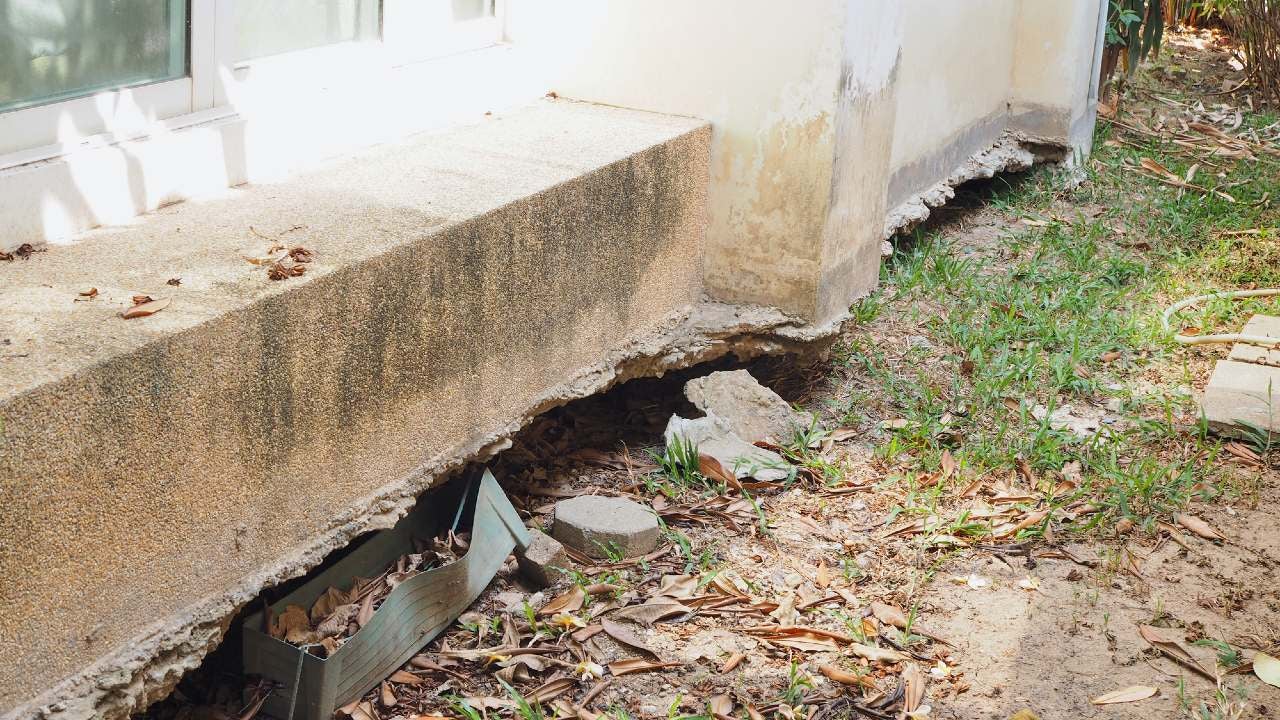
Foundation issues — whether due to damage over time or perils — are bad news for homeowners. They typically mean costly repairs and, in some instances, the value of your home could be negatively impacted. That said, your homeowners policy may cover the damage, unless it’s caused by an excluded peril.
Does home insurance cover foundation repair?
Foundation damage is covered by a standard home insurance policy if it results from a covered peril. However, you’ll likely have to pay out of pocket if the damage results from neglect, wear and tear, faulty construction, settling, insects or other excluded perils. Review your policy to clarify what’s covered and what isn’t, as it depends on your provider, coverage levels, policy exclusions and the proximate cause of the damage. The type of homeowners insurance you carry will also determine how much of the damage — if any — is covered.
Bankrate insights
Proximate cause is an insurance term that refers to an event that causes an insured loss. Some losses are straightforward, like a fire destroying a part of your home, but it isn’t always that simple. For example, damage from falling objects is a standard peril covered by home insurance. A tree that falls on your home from strong wind is likely covered, but a tree falling on your home due to lack of limb maintenance is not. This is because wind as a proximate cause is covered, while homeowner neglect is not.
What foundation issues does home insurance cover?
Standard home insurance policies include dwelling coverage, which is the portion of your policy that covers the physical structure of your home, attached structures and your foundation. HO-3 and HO-5 insurance policies (the most common types of coverage) provide dwelling coverage on an open perils basis, which means any loss that is not explicitly excluded from your policy is covered.
In most cases, foundation repair is covered by insurance when the damage is caused by the following perils:
- Fire or excessive smoke
- Hail
- Windstorms and tornadoes
- A vehicle or aircraft
- Vandalism
- Falling objects
- Water damage that results from an overflow in your A/C, heating or plumbing system or a ruptured pipe
- Explosions
Reading through your policy is important to determine which perils are included in your insurance policy and how much you’re required to pay out of pocket. Depending on where you live, you may have a percentage-based windstorm or windstorm/hail deductible or a standalone windstorm insurance policy. In some places, foundation repair is not covered by insurance when the damage is caused by windstorms or wildfires. This is more common in areas prone to those types of catastrophic losses. Several Midwest, Atlantic and Gulf Coast states are prone to windstorm damage, and numerous Western states are prone to wildfire damage. Contact your home insurance company if you’re unclear on what your policy covers.
When does a standard home insurance policy not cover foundation damage?
Although home insurance does cover many sources of foundation damage, there are certain situations where coverage might be denied. For instance, some people assume that foundation damage is covered after any natural disaster. But that’s not the case.
In fact, almost all home policies specifically exclude two of the natural disasters that can do the most foundation damage: floods and earthquakes. If you live in an area where earthquakes or floods are common, speak with an agent to see if purchasing a separate earthquake or flood insurance policy would provide better financial protection for the investment you’ve made in your home.
If you’re seeking better coverage for high-risk events, you could consider a Difference in Conditions (DIC) policy which can fill in the gaps in your home insurance policy. For example, a DIC policy would cover foundation damage caused by landslides.
Most home insurance policies only provide coverage for “sudden and accidental loss” or “direct physical loss,” which is defined as damage caused by an accident or other unexpected event that is out of your control. Standard policy exclusions pertaining to foundation issues typically include:
- Wear and tear
- Neglect
- Faulty construction
- Birds, vermin, rodents, insects or animals kept by an insured party
- Settling, shrinking, bulging or expansion
Be aware that some settling of a home’s foundation is to be expected, especially if it’s newly constructed. This is because significant changes in moisture levels can cause the soil to expand or shrink, causing the foundation to settle or crack.
You can control optimum moisture levels around your home to reduce the likelihood of damage to the foundation. For instance, you could water the foundation during dry seasons or install effective drainage systems if you live in a climate with heavy precipitation. Since routine home maintenance like this can protect your foundation, home insurance companies expect you to stay on top of it. This is why insurance does not usually cover foundation issues.
What to do if you experience foundation damage
If your home’s foundation is damaged in a covered peril, you should get in touch with your insurer or agent as quickly as possible to file a claim. Here’s a step-by-step breakdown of how to move forward:
- Step 1: Snap photos. Be sure to collect photos and videos to document the damage when it’s safe to do so. You want to have these handy for the next step.
- Step 2: Assess damage and repair costs. Before you contact your insurance company, you may want to verify the cause of damage and estimated cost of repair. This can help you determine if the claim will be covered, and if the cost of repairs is worth filing a claim (Filing a claim typically raises your premium and can affect your insurance eligibility in high-risk areas).
- Step 3: File a claim. If you decide to pursue claim filing, reach out to your insurance provider to inquire about the process. Many carriers now offer online claims filing, but some require you to speak with an agent over the phone.
- Step 4: Speak with the adjuster. Upon receipt of the claim, the insurance company will assign a claims adjuster to your case. They will also send a field adjuster to your home in most cases to assess the damage and include their findings in an itemized report.
- Step 5: Shop around for repair quotes. If your property damage is covered, the next step is to do your homework to find a reputable contractor. Be sure to get quotes from at least three contractors to help you make an informed decision.
- Step 6: Select a contractor. Many insurance providers, including State Farm, USAA, Safeco, Farmers, Liberty Mutual and Amica, help simplify this process by providing you with a network of preferred contractors. While you can always choose your own contractor, carrier suggestions may come with the benefit of direct insurer billing and guaranteed work for a set period of time.
- Step 7: Use the payout to complete repairs. The insurance company will send you a check in the mail — made out to you and/or your lender — to cover the repair costs minus your deductible.
Frequently asked questions
Why we ask for feedback
Your feedback helps us improve our content and services. It takes less than a minute to
complete.
Your responses are anonymous and will only be used for improving our website.
Help us improve our content
Read the full article here